Cracked Heat Exchanger Signs
Written by craig braddick

Cracked Heat Exchanger Signs

The predominant method for this task in most residences is the utilization of a furnace. A crack in the furnace’s heat exchanger can result in expensive repairs. The following are the most prevalent signs of a fractured heat exchanger.

Indicators of a Compromised Heat Exchanger

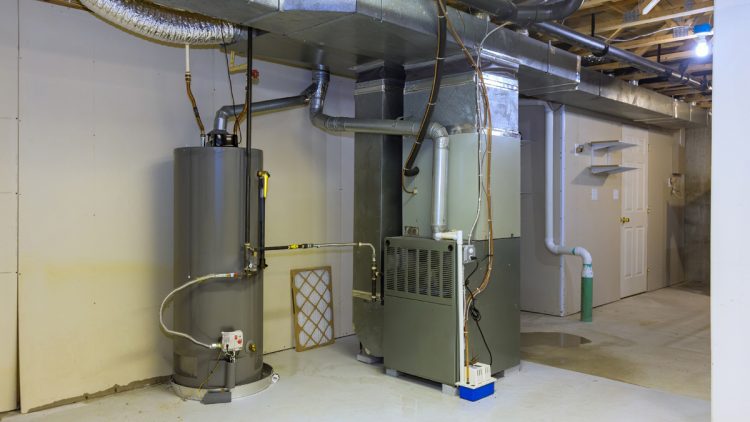
A fractured heat exchanger poses a significant risk to homes as it can generate a substantial health hazard. The heat exchanger is a metallic vessel located within a furnace, tasked with capturing hot combustion gases from the burners.

The thermal energy from the gas will be transmitted to the metal walls, ultimately resulting in the exchanger reaching elevated temperatures. The blower’s air will circulate around the exchanger, absorbing heat before entering the ventilation system. Residual combustion exhaust will be sent through a vent to dissipate harmlessly outdoors.

Nonetheless, if the exchanger is even slightly compromised, harmful combustion gases, primarily carbon monoxide, may infiltrate the air circulated into the rooms. This poses a significant health risk. Below are the indicators of a compromised heat exchanger.

Corrosion

Corrosion and fissures may develop in various furnace components. This may involve the inducer motor or draft diverter box, which might be a significant reason for concern.

Unusual Odors

Malfunctioning heat exchangers can produce unpleasant and powerful scents. The odor typically resembles that of formaldehyde.

Elevated Decibel Levels

Upon activation of your thermostat, a noticeable rattling sound may be audible. This signifies a fracture in the heat exchanger.

Upon heating the metal heat exchanger, one may perceive rattling, pounding, and popping sounds.

Presence of Carbon Monoxide

A malfunctioning heat exchanger can permit carbon monoxide to into your residence. Regrettably, only a carbon monoxide detector or alarm can alert you to its existence.

To mitigate this potential risk, it is advisable to have your furnace and heating system tested annually.

Accumulation of Soot

The accumulation of white soot around or within the burners of your furnace may signify the presence of cracks.

The Appearance of Flame Varies

The flame must consistently exhibit a blue hue. Orange or yellow pigmentation is unusual.

Phoenix Valley Chiller & Cooling Tower Maintenance

If you need chiller maintenance or cooling tower maintenance to get the most of your equipment All Kote Lining Inc. is here to help.  We can maintain your equipment so it is more efficient and lasts longer.  That means you save money as it operates and won’t have to spend money replacing it as soon.  Our services are through and can be ordered on a regular basis to ensure your equipment stays in top notch condition.

Call Today – 480-966-4446
Cooling Tower Tank Lining & Epoxy Paint Coatings
Written by craig braddick

Cooling Tower Tank Lining & Epoxy Paint Coatings

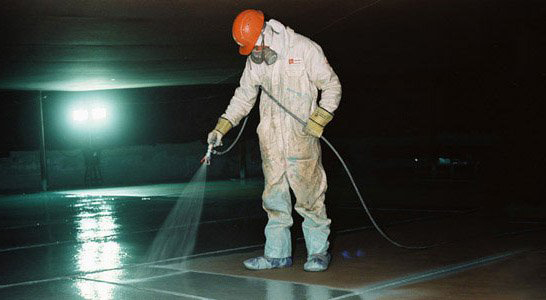
Cooling towers are very important for making sure that big HVAC and industrial systems work well. But their tanks might wear out over time because they are always exposed to water, chemicals, and changes in temperature. If these problems aren’t fixed right away, they can lead to costly repairs or even a complete system failure.

That’s when cooling tower tank lining and epoxy paint coatings can help. These particular coatings provide a barrier that protects your cooling tower tank from chemicals, rust, and other things that could shorten its life. If your system is in Arizona, you already know how hot it can get and how mineral-rich water can speed up wear and tear. This makes expert lining services more critical than ever. Read on to learn more.

Why Tank Lining Is Important

Cooling towers always move water around, and that water often has minerals, chemicals, and living things in it. Over time, these things wear down the steel or concrete walls of the tank. A good epoxy tank lining keeps the metal or concrete from coming into contact with the water that is circulating. If you use the appropriate lining correctly, it can make your equipment last 10 to 20 years longer.

Advantages of Using Epoxy Coatings on Cooling Towers

Epoxy coatings are the best way to keep tanks from rusting and being damaged by chemicals. They stick closely to steel and concrete surfaces, making a smooth covering that keeps moisture from getting in.

Some of The Main Benefits Are:

  • Corrosion Resistance: Keeps metal tanks from rusting and oxidizing.
  • Chemical Protection: It can handle severe cleaning solvents, scale inhibitors, and other chemicals used in treatments.
  • Easy to Clean: Smooth, non-porous surfaces make it hard for bacteria and scale to grow.
  • Durability: Epoxy coatings can handle changes in pressure and extreme temperatures.
  • Cost-Effectiveness: It’s a lot cheaper to extend the life of your tank than to buy a new one.

The Process of Lining and Coating

It’s very important to have a professional do the work on your cooling tower tank lining to make sure it works as it should. For example:

  • Removing rust, old coatings, and dirt from the surface by sandblasting or pressure washing.
  • Fixing and Patching: Cracks, pits, or other damaged areas are fixed to make the base smooth.
  • Using Primer: A bonding primer helps the epoxy stick to the surface.
  • Epoxy Coating: The lining is put on in several layers to make a robust, protective shell.
  • Curing and Checking: The coating is left to cure completely before being checked for even coverage and adhesion.

Things To Think About in Arizona

Water conditions can be really bad here in Arizona. All Kote Lining Inc. employs industrial-grade epoxy coatings that are made to work in settings with a lot of heat and minerals. These coatings stay strong even when the temperature changes a lot, which is great for cooling towers that have to deal with Phoenix’s harsh weather.

You Can Trust The People At All Kote Lining Inc.

All Kote Lining Inc. can make custom solutions for any kind of cooling tower or water system. Their crew makes sure your system stays efficient, reliable, and safe all year round by doing anything from inspections and cleanings to full relining and recoating.

Phoenix Cooling Tower Cleaning

If you have a commercial property it is important to keep the cooling tower disinfected and clean. The spread of bacteria from the cooling tower poses and health concern for your visitors and costs you money in energy costs. Before you fire up a cooling tower that has been shut down for the season, or for a longer period of time, it must be inspected, cleaned, and disinfected. This helps fight the spread of disease and cuts down on your overhead. To get your cooling tower cleaned call All Kote Lining at 480-966-4446.

Cracked Heat Exchanger Signs
Written by webtechs

Cracked Heat Exchanger Symptoms

The majority of homes will use a furnace for this job. When the heat exchanger inside the furnace cracks, though, it can lead to costly repairs. Here are the most common cracked heat exchanger symptoms.

Cracked Heat Exchanger Signs

A cracked heat exchanger is a serious concern for homeowners because it can create a major health hazard. The heat exchanger is a metal container featured inside a furnace, responsible for collecting hot combustion gas from the burners.

The heat from the gas will transfer to the metal walls, ultimately causing the exchanger to burn hot. The blower’s air will then move around the exchanger, picking up heat prior to it passing into the ventilation system. Any leftover combustion exhaust will be sent out a flue to escape harmlessly outdoors.

However, if the exchanger is cracked even a little bit, the toxic combustion gases (mostly carbon monoxide) can enter into the air that’s blown into the rooms. This creates a serious health concern. Let’s take a look at the signs indicating a cracked heat exchanger below.

1. Corrosion

Corrosion and cracks may occur in many furnace components. This can include the inducer motor or draft diverter box, and this can be a serious cause for concern.

2. Odd Odors

Unpleasant and strong odors can result from a malfunctioning heat exchanger. Typically, the odor will smell similar to formaldehyde.

3. Loud Sounds

When your thermostat turns the heat on, you may hear a distinct rattling noise. This indicates there is a crack in the heat exchanger.

When the metal heat exchanger ultimately is heated, rattling, banging, and popping noises may be heard.

4. Presence Of Carbon Monoxide

It is possible for a failed heat exchanger to leak carbon monoxide into your home. Unfortunately, only a carbon monoxide detector or alarm can make you aware of its presence.

To avoid this potential hazard, it’s always best to have your furnace and heating system inspected yearly.

5. Soot Build-Up

White soot build-up either around or in the burners of your furnace can indicate cracks.

6. Flame Looks Different

The flame should always appear blue. Orange or yellow coloring is not normal.

Phoenix Valley Chiller & Cooling Tower Maintenance

If you need chiller maintenance or cooling tower maintenance to get the most of your equipment All Kote Lining Inc. is here to help.  We can maintain your equipment so it is more efficient and lasts longer.  That means you save money as it operates and won’t have to spend money replacing it as soon.  Our services are through and can be ordered on a regular basis to ensure your equipment stays in top notch condition.

Call Today – 480-966-4446
Cracked Heat Exchanger Signs
Written by webtechs

Can A Heat Exchanger Be Repaired?

Upward of 64 million U.S. homes rely on natural gas to supply heat during periods of cold weather. The majority of homes will use a furnace for this job. When the heat exchanger inside the furnace cracks, though, it can lead to costly repairs.

Why A Cracked Heat Exchanger Is A Serious Problem

A cracked heat exchanger is a serious concern for homeowners because it can create a major health hazard. The heat exchanger is a metal container featured inside a furnace, responsible for collecting hot combustion gas from the burners.

The heat from the gas will transfer to the metal walls, ultimately causing the exchanger to burn hot. The blower’s air will then move around the exchanger, picking up heat prior to it passing into the ventilation system. Any leftover combustion exhaust will be sent out a flue to escape harmlessly outdoors.

However, if the exchanger is cracked even a little bit, the toxic combustion gases (mostly carbon monoxide) can enter into the air that’s blown into the rooms. This creates a serious health concern.

Can The Heat Exchanger Be Repaired Or Replaced?

The best way to approach a cracked heat exchanger is to simply replace it. The good news is this does not require the replacement of any other furnace parts. This will still be quite an expensive repair, though, just for the heat exchanger.

Sometimes this repair can be so costly, that installing a brand new furnace could be your best option. You will undoubtedly save money in the future with the installation of a new furnace.

Conclusion

Cracked heat exchangers commonly happen when a furnace is at least 15 years old. The long reaction of combustion gas and metal can eventually lead to corrosion, which weakens the exchanger and can cause cracking.

In most cases, an expensive repair for an older furnace is not a smart investment. With a brand new furnace, homeowners will enjoy increased efficiency and less maintenance needs for years to come.

Phoenix Valley Chiller & Cooling Tower Maintenance

If you need chiller maintenance or cooling tower maintenance to get the most of your equipment All Kote Lining Inc. is here to help.  We can maintain your equipment so it is more efficient and lasts longer.  That means you save money as it operates and won’t have to spend money replacing it as soon.  Our services are through and can be ordered on a regular basis to ensure your equipment stays in top notch condition.

Call Today – 480-966-4446
Difference Between A Cooling Tower And Chiller
Written by webtechs

Chiller Vs Cooling Tower

If you’re looking for the difference between a cooling tower this post is for you.  While both play an important role in commercial buildings or industrial processes they do have different jobs to fulfill and work together.

What is the difference?

Both cooling towers and chillers are designed to remove heat from liquids.  The liquids are used to cool industrial processes like power stations or in HVAC applications in large commercial buildings. Both of these pieces of equipment vary depending on their role in a setting, which components they are comprised of, and the type of equipment they power and keep cool.

Chillers

Chillers differ in that they absorb heat from the coolant, which is usually fully contained within the cooling system.  The chiller transfers the heat to the surrounding air.

Cooling Towers

A condenser discharges water to cooling towers that then removes the heat.  This is done via air liquid contact by spraying water onto surfaces with fans blowing air through the tower.  By doing this the heat in the liquid is transferred to the air passing through the tower.

Cooling Tower & Chiller Types

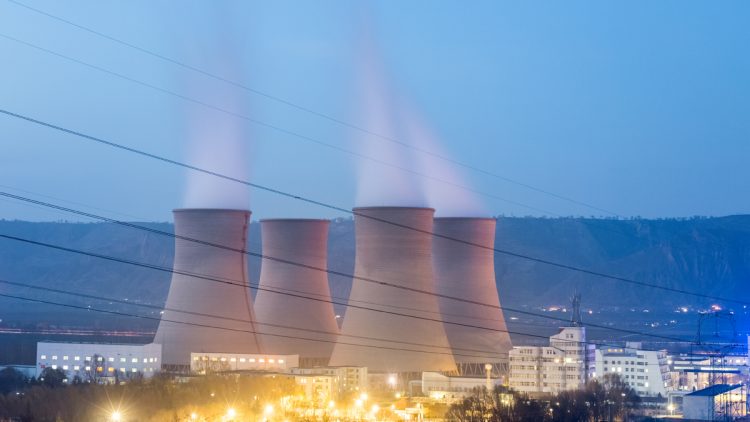
Cooling Towers are divided into to types which are natural draft and mechanical draft.  Natural draft cooling towers are enormous structures commonly associated with nuclear power plants where the exhaust air is let into a tall chimney.  As the air rises it begins to cool naturally Mechanical draft cooling towers differ in that they use fans to pull cool air from outside into the system to transfer the heat from the liquid.  Chillers are much like radiators and can be cooled by air or water.  Water cooled chillers may need more maintenance than air cooled chillers, yet they use much less power.

Cooling Tower & Chiller Major Components

Cooling towers major components include the pumps and basin.  The pumps send the water to the cooling towers which creates the cooling flow that cools the facility.  Distribution basins collect discharge water from the coolant circulation system.

Chillers consist of compressors, condenser heat exchangers, and evaporator heat exchangers.  The component in a chiller that rejects the majority of the heat to the air is the condenser heat exchanger.

Uses & Applications

Chillers are used in areas which will not be affected by the additional heat discharged by it.  In fact many installations rely on the chiller to produce heat during the cooler months. Typically facilities to find chillers in include refrigeration and plastic industries.

Cooling towers are found commonly in mechanical processes and electric power generation.  Power plants are commonly located near lakes or rivers which are tapped to provide cooling to the water circulating in the system.  The water coming out of the condenser in these plants must be cooled to sustain the process.

Efficient Power Consumption

Chillers use compressors and heat exchangers to cool and are not as energy efficient as cooling towers.  While the fans and water pumps in cooling towers do consume energy they also provide much greater cooling capacity.

Chillers which use air cooling are also not as efficient as water cooling chillers.  We all know that a wet surface transfers heat better than one that is dry.  The same principle applies in the case of chillers with a 10% greater efficiency in water cooled chiller units.

Phoenix Valley Chiller & Cooling Tower Maintenance

If you need chiller maintenance or cooling tower maintenance to get the most of your equipment All Kote Lining Inc. is here to help.  We can maintain your equipment so it is more efficient and lasts longer.  That means you save money as it operates and won’t have to spend money replacing it as soon.  Our services are through and can be ordered on a regular basis to ensure your equipment stays in top notch condition.

Call Today – 480-966-4446
What Gas Is Commonly Released By The Cooling Tower
Written by webtechs

What Gas Is Commonly Released By The Cooling Tower?

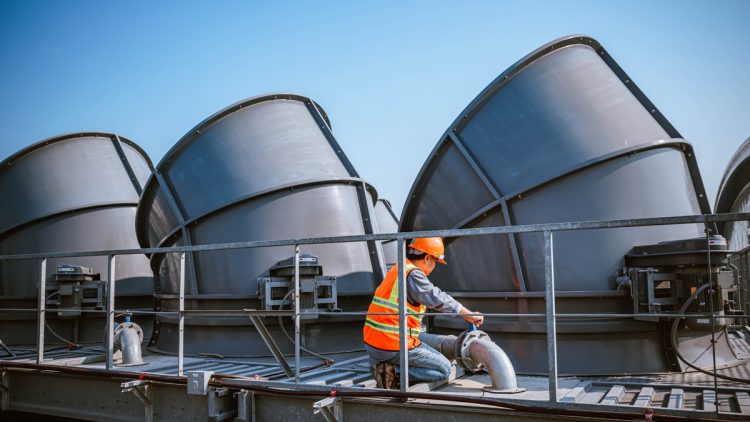
One common question many have regarding cooling towers is what exactly gets released from these structures. Water vapor (or steam) is what’s produced from the top of these towers.

What Is A Cooling Tower?

The processes and machines of industry in addition to the machines dedicated to our own comfort and well-being, produce a tremendous amount of heat.  If that heat is not continuously dissipated those processes or machines will not be able to continue to operate efficiently.

Much like the heat from the motor in your car is transferred via a fluid to the radiator; cooling towers continuously transfer heat via a flowing volume of water from the air conditioning condenser or high heat equipment to the cooling tower area.  Final heat rejection is always done through one or another type of heat rejection, but is also exhausted into the atmosphere.

Natural processes of evaporation are very effective heat transfer methods; however they are limited because of their total dependence on random winds and limited surface area. We’ve all experienced those super hot summer days where we are dying for a breeze.  The first and most basic system of evaporation is air flow, which is a natural form of evaporation cooling.  Before man had electricity we had hand held fans, which uses the same foundation concept that a cooling tower does to cause heat exchange and rejection.

What Gas Is Released By Cooling Towers?

Thermoelectric power plants, no matter if they are fossil-fueled or nuclear, require water cooling systems for optimal performance. The fuel will heat the water, eventually turning it into steam.

This steam drives a turbine generator to generate electricity. Once used to turn the turbine, the steam will be recycled back into the water for reuse. To reuse the steam, it will be cooled and condensed back into water.

How Do Cooling Towers Work?

They are high output heat rejection equipment used for cooling large commercial buildings, power plants or mechanical equipment in industrial applications.  Water that has been heated by either an industrial process or an air conditioning condenser is passed through a cooling tower via a pump system.

That water is then sprayed through nozzles onto pads of material called “fill”.  As the water hits this fill material it is spread as wide as possible to maximize the air-water contact.  The water is then pulled through the system via an electrical motorized fan.

Cooling towers work by extracting waste heat and exhausting it into the atmosphere through the cooling of a stream of water to a very lower temperature.  Cooling towers are a type of hear rejection system that is know as “evaporative”. This is because they allow a small portion of the cooled water to evaporate into a flowing stream of air to cause significant cooling to the remaining stream of water.  Using a hot water system heat and humidity is transferred to the air in the cooling tower.

This raises the temperature of the air and the humidity to 100%, and then with the natural characteristic of hot air, it rises out of the cooling tower a bit like sweat cooling our skin.  Significantly lower temperatures for the cooled water are possible with this evaporation heat rejection technology.

Once-Through System

The majority of power plants will utilize either a once-through or closed loop system. In the once-through system, water will be drawn through a water source like a nearby pond, river, or lake.

This water will pass through a condenser where it absorbs the heat from. The steam is then returned to where it came from, but ultimately at a much higher temperature.

Closed Loop System

In this system, condenser cooling water will be circulated to remove the extra heat it has gained. Water will be pumped to the top of the towers where it is allowed to pour down throughout the structure.

At the very same time, a set of fans at the top of the towers pull air up through the condenser water. Once cooled, this water flows back into the turbine building to start condensing steam once again.

Cooling Tower Maintenance Services

All Kote Lining, Inc. is the one-stop solution for all your cooling tower maintenance, repair, and replacement needs in Phoenix Valley. Our team of experienced technicians will ensure your cooling system issues are identified and solved in a timely and effective manner, saving you considerable money on electrical expenses in the process.

Cooling Tower Louvers
Written by webtechs

Cooling Tower Louvers

Cooling tower louvers serve two purposes, including retaining the circulating water within a cooling tower and distributing air flow equally into the fill media. Louvers are an essential component of cooling tower systems.

Functions Of Cooling Tower Louvers

Properly designed and maintained louvers are crucial for the efficiency of cooling towers. From controlling airflow to reducing sunlight exposure, all the main functions of louvers are detailed below.

Control Airflow

Installed on the sides of the cooling tower structures, louvers are designed to create a barrier with a specific pattern of slats or openings. This design ultimately allows for the controlled intake of airflow. This is crucial for the complete cooling process.

Prevent Debris Buildup

One of the primary functions of louvers is to prevent debris from entering a cooling tower. Common debris includes dust, leaves, and other foreign objects/materials. Debris can clog the water distribution system, which can hinder the heat exchange process. This can eventually lead to operational problems.

Reduce Sunlight Exposure

Louvers will also help to reduce direct sunlight exposure to the cooling tower components. Sunlight can contribute to algae growth and other microorganisms within the tower. Excessive sunlight exposure can impact the efficiency of the cooling process.

Ease Of Maintenance

Louvers are specifically designed with ease of maintenance in mind. Access doors and removal panels are often integrated into the louvered walls. This makes regular inspections and cleanings easy tasks, overall.

Durability

Louvers are routinely made of durable materials, such as PVC, aluminum, or fiberglass. The materials are great at resisting corrosion, wear and tear, and weathering, which ensures the longevity of the component.

Water Drift Control

Minimizing water drift is one of the main goals of louvers. This refers specifically to the loss of water droplets from the tower. Drift can be a concern because of water conservation efforts and environmental regulations. Louvers that have been properly designed can help to reduce overall drift.

Customization

The design of louvers can vary based on a few cooling tower and environmental requirements. They can be customized in terms of size, design, and material.

Conclusion

It is crucial to always follow manufacturer guidelines for the cleaning and maintenance tasks associated with cooling tower louvers. To ensure their effectiveness and longevity, regular inspections should be performed.

Cooling Tower Maintenance Service

All Kote Lining, Inc. is the one-stop solution for all your cooling tower maintenance, repair, and replacement needs in Phoenix Valley. Our team of experienced technicians will ensure your cooling system issues are identified and solved in a timely and effective manner, saving you considerable money on electrical expenses in the process.

Call 480-966-4446 or Contact Us

Cooling Tower Parts
Written by webtechs

Cooling Tower Parts

Cooling tower parts include: Instrumentation and Electrical Systems, Cooling Tower Nozzles, Cooling Tower Valves, Mechanical Equipment Support, Drive Shafts, Gear Boxes, Cooling Tower Louvers, Fan Deck, Fan Cylinder, Water Distribution Piping, Cooling Tower Fans, Drift Eliminators, Cooling Tower Fill, Cooling Tower Structure, and Cold Water Basin.

Below we go over the individual cooling tower parts and functions.

List Of Cooling Tower Components:

Cooling Tower Parts & Functions

Cooling Tower Instrumentation:

Instrumentation systems found in most cooling towers include Blow Down Rate, Flow Meters For Cooling Tower Makeup Water, Thermocouples for Cold & Hot Water Measurement Of Temperature, Water Level Switches For Cold & Hot Water Basins, Low & High Oil Level Switches, and Vibration Switches.

Cooling Tower Fan Motor:

Refinery & Petrochemical cooling tower applications require explosion proof fan motors due to the potentially leaky heat exchangers. Fan motors should be provided with over load relay and Earth fault relay protection systems.

Cooling Tower Nozzles:

Most cooling tower nozzles are made out of plastic. These plastics include glassfilled nylon, polypropylene, ABS, and PVC plastics. Nozzles allow for uniform distribution of the hot water that’s inside a cooling tower cell.

Distribution Valves:

Distribution Valves are a part of the cooling tower that regulates the flow of hot water to evenly distribute in cells. The valve body in a distribution valve is manufactured to stand up to corrosive environments.

Drive shafts:

Drive shafts transmit power the from the motor’s output shaft to the gear reduction unit’s input shaft.

Gear Box:

Gear boxes reduce the amount of speed depending on your cooling tower fan’s requirements. The torque tube permanently alights the gear reducer, driveshaft, and motor.

Cooling Tower Louvers:

Asbestos sheets are what cooling tower louvers are made out of. Louvers serve 2 purposes:  1. Retain the circulating water within a cooling tower. 2. Distribute air flow equally into the fill media.

Fan Cylinder & Fan Deck:

The fan deck is simply a supporting platform for the fan cylinders and also creates an access way to the water distributions system and fan.

Water Distribution Piping:

Water distribution piping requires burial underground or needs to be supported in ground to avoid thrust loading of the cooling tower due to water pressure in the pipe and self weight.

Cooling Tower Fans:

Cooling tower fans are one the major parts/components of cooling towers. Most cooling tower fans are made out of hot-dipped galvanized steel, Glass Fiber, (FRP) Fiber Reinforced Plastic, and Aluminum. FRP is one of the best options because it is light weight and reduces the energy requirements (energy consumption) of the cooling tower fan. Pinch blade angles of cooling tower fan blades are varied depending on the season. For example, the pinch angle is increases during the summer season when the density is low to increase the capacity of the fan.

Cooling Tower Structure:

The most common cooling tower structure is made up of Wood (Chemically Treated). Although, some newer cooling towers are being manufactured using FRP and Reinforced Cement Concrete (RCC) depending on the application the cooling tower is need for.

Cold Water Basin:

Cold water basins serve two functions and are normally manufactured using RCC. The first function of a cold water basin is to act as storage and collect cold water from the tower. The second function of a cold water basin is the provide the main structure and foundation for the cooling tower itself. Cold water basins usually lye below ground level or on top of the soil. Cooling tower height is found my measuring the distance between the fan assembly to the top of the water basin.


Drift Eliminators:

Eliminators reduce the amount of water that escapes into the discharge air in the cooling tower.  They project air in multiple directions and prevent unnecessary loss of water. These drift eliminators are manufactured using PVC. More passes through the drift eliminator will decrease the amount of drift loss while also increasing the pressure drop which increases the fan power consumption. For larger industrial applications, some use heavy duty drift eliminators.

Cooling Tower Fill Media:

Cooling tower fill media puts as much air in contact with as much water surface area as possible. The film fills make the water form in thing flowing sheets so that the most amount of water surface area interacts with the flow of air. Fill media is manufactured using either wood, polypropylene, or PVC. There are three different types of fill media including: Vertical fill (Splash Fill), Vertical offset fill (Splash Fill), and cross corrugated fill (Film Fill).

Thank you for reading our “Cooling Tower Components” list. Stay tuned for more from the experts at All Kote Lining Inc.

Cooling Tower Types
Written by webtechs

Cooling Tower Vs Fluid Cooler

If you are trying to decide which type of fluid cooling system is best for your application, you are likely to choose between cooling towers and fluid coolers. Let’s take a look at the similarities and differences when it comes to temperatures and operating costs for these two systems.


What Is A Fluid Cooler?

Commonly used for applications featuring warmer weather, these systems consist of copper tubes with aluminum fins and fans. These act as a radiator used to cool the process fluid with ambient air. Generally, the coolest practical leaving fluid temperature will be about 10 degrees warmer than the air that enters the system.

Fluid cooler systems are not as energy efficient as cooling towers. Additionally, these systems feature a higher initial cost and have a larger footprint. Once installed, however, fluid coolers will have less maintenance needs and also use less water than cooling towers. The typical operating costs will fall right between that of a cooling tower and a chiller.

What Is A Cooling Tower?

A cooling tower can be thought of as a specialized heat exchanger where water and air meet with the purpose of reducing the temperature of the water. When this happens, a small total of the water evaporates, hence reducing the water temperature that is circulated throughout the tower.

This water is pumped through pipes to the cooling tower. Nozzles are used as the water sprays onto material known as fill that slows the flow of the water as it travels through the cooling tower and maximizes air and water contact. When they meet, a cooling action is created and the cooled water is then pumped back to the processing equipment where it absorbs hear. From there it is pumped back to the cooling tower and obviously, cooled again.

Types Of Cooling Towers

Let’s take a detailed look at some of the most common cooling tower applications used today.

Crossflow Cooling Towers

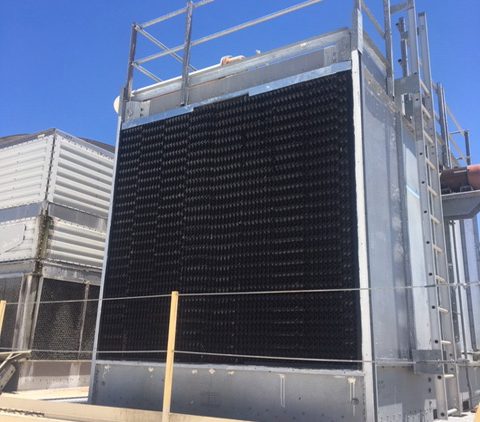
With a crossflow tower, hot water flows downward from a distribution basin while air flows horizontally. They are filled with splash type fillings and can be applied when water has higher suspended particles.

At Industrial Cooling Solutions, we offer crossflow towers in induced draft, forced draft, concrete, FRP, and wood structure as well as splash fill, film fill and low fouling fill materials. ICS cooling towers are built to withstand the most demanding of situations and provide the most cost-effective solution for you.

Benefits:

  • High Performance
  • Low Maintenance
  • Low Noise
  • Optimized Power Consumption

Counterflow Cooling Towers

A counterflow mechanism is one where air flows vertically through the fillings or packing at the top while water flows downward. In a counterflow cooling tower, there is an induced draught fan that is attached to the motor.

This fan pulls in air to draft it upward resulting in air that is exhausted faster than it is pulled in. In turn, you’ll see lower pressure and circulation.

Benefits:

  • Low Power Consumption
  • Low Fouling Film or Splash fills
  • Plume Abated Systems
  • Low Pumphead
  • High Performance with Minimal Maintenance
  • Optimized Footprint
  • FRP Wood or Concrete Structures

Forced Draft Cooling Towers

Industrial plants often choose forced draft cooling towers for their many benefits. First, they are very powerful and affordable at the same time. These towers remove low-potential heat which is generated during the production process.

A counterflow of air and hot water will result in a heat transfer in the cooling fill. These towers are typically preferred by paper and chemical industry plants.

Benefits:

  • Low Noise Levels
  • Dry Air Stream Drive
  • Ease of Maintenance
  • Low-Absorbed Capacity

Induced Draft Vs Forced Draft Cooling Towers

Induced system have fans on top of the units and they pull the air through the fill. On the other hand, air is pushed by blowers located near the base of the air inlet on draft towers that have been forced.

Cooling Tower Maintenance Service

All Kote Lining, Inc. is the one-stop solution for all your cooling tower maintenance, repair, and replacement needs in Phoenix Valley. Our team of experienced technicians will ensure your cooling system issues are identified and solved in a timely and effective manner, saving you considerable money on electrical expenses in the process.

Call 480-966-4446 or Contact Us

What Is A Dry Cooling Tower
Written by webtechs

What Is A Dry Cooling Tower?

What is a dry cooling tower and how does it differ from other cooling tower applications?


What Is A Cooling Tower?

A cooling tower can be thought of as a specialized heat exchanger where water and air meet with the purpose of reducing the temperature of the water. When this happens, a small total of the water evaporates, hence reducing the water temperature that is circulated throughout the tower.

This water is pumped through pipes to the cooling tower. Nozzles are used as the water sprays onto material known as fill that slows the flow of the water as it travels through the cooling tower and maximizes air and water contact. When they meet, a cooling action is created and the cooled water is then pumped back to the processing equipment where it absorbs hear. From there it is pumped back to the cooling tower and obviously, cooled again.

Dry Cooling Tower Guide

This closed-circuit cooling tower operates by transferring excess heat from the system. Dry cooling towers efficiently transfer heat through a surface separating ambient heat and working fluid. Either water or a mixture of water-glycol is the medium used within dry cooling towers. The principle of heat transfer essentially takes place by heat exchanger with extended fins. Air may be introduced through natural or mechanical draft to effectively move air through the air-cooled heat exchangers.

Unlike most other cooling towers, these towers utilize evaporation. As a result, the consumption of makeup water is miniscule. Also, the fan within the system uses an electric motor for operation. The system functions with air colling technology and the circulation of hot water enables the heat exchange because the tubes are exposed to the ambient air flow that ultimately surround them.

There is an increase in volumetric flow rate of air through the heat exchangers that offers an improved performance. Meanwhile, one of the downsides of this system is a lower efficiency, especially when the ambient air temperature is very high. The tower has been designed with controlled expansion of both the tube and fin, which will provide a smooth and clean tube for water pressure droppage. The motors are designed specifically to keep the efficiency high with dust, rain, and moisture resistance.

Dry Cooling Tower Applications

Because of their different performance ranges, it is quite possible that a dry cooling tower is best for your industry. Ranged from 5-2, kW performances, these systems feature different noise levels and are mainly designed for outdoor installation. Dry cooling towers are often used by the plastic, power plant, and solar industries.

You can use these cooling towers in computer room air conditioning systems and water-cooled chilled water air conditioning systems, as well. Specifically, this tower application works well in places with scarce water resources. They can help eliminate excess heat without damaging the outside environment.

Regular maintenance is necessary with these cooling towers. Keeping up with maintenance needs will prevent future damage and avoid total compressor failure. When this system runs efficiently, both energy consumption and costs will plummet.

Cooling Tower Maintenance Service

All Kote Lining, Inc. is the one-stop solution for all your cooling tower maintenance, repair, and replacement needs in Phoenix Valley. Our team of experienced technicians will ensure your cooling system issues are identified and solved in a timely and effective manner, saving you considerable money on electrical expenses in the process.

Call 480-966-4446 or Contact Us

1 2 3 5